Canada has 37 national parks and 11 national park reserves, so a “best of” selection has to balance scenery, access, trail quality, visitor management, and year-round usefulness. This version focuses on parks that work well both for travelers and for a serious article: they are geographically varied, officially managed by Parks Canada, and have enough infrastructure, rules, and route options to compare in a practical way. For access, I list the main public entrances or visitor access zones, since several parks also have seasonal roads, trailheads, and marine approaches.
Rocky Mountains and Western Canada
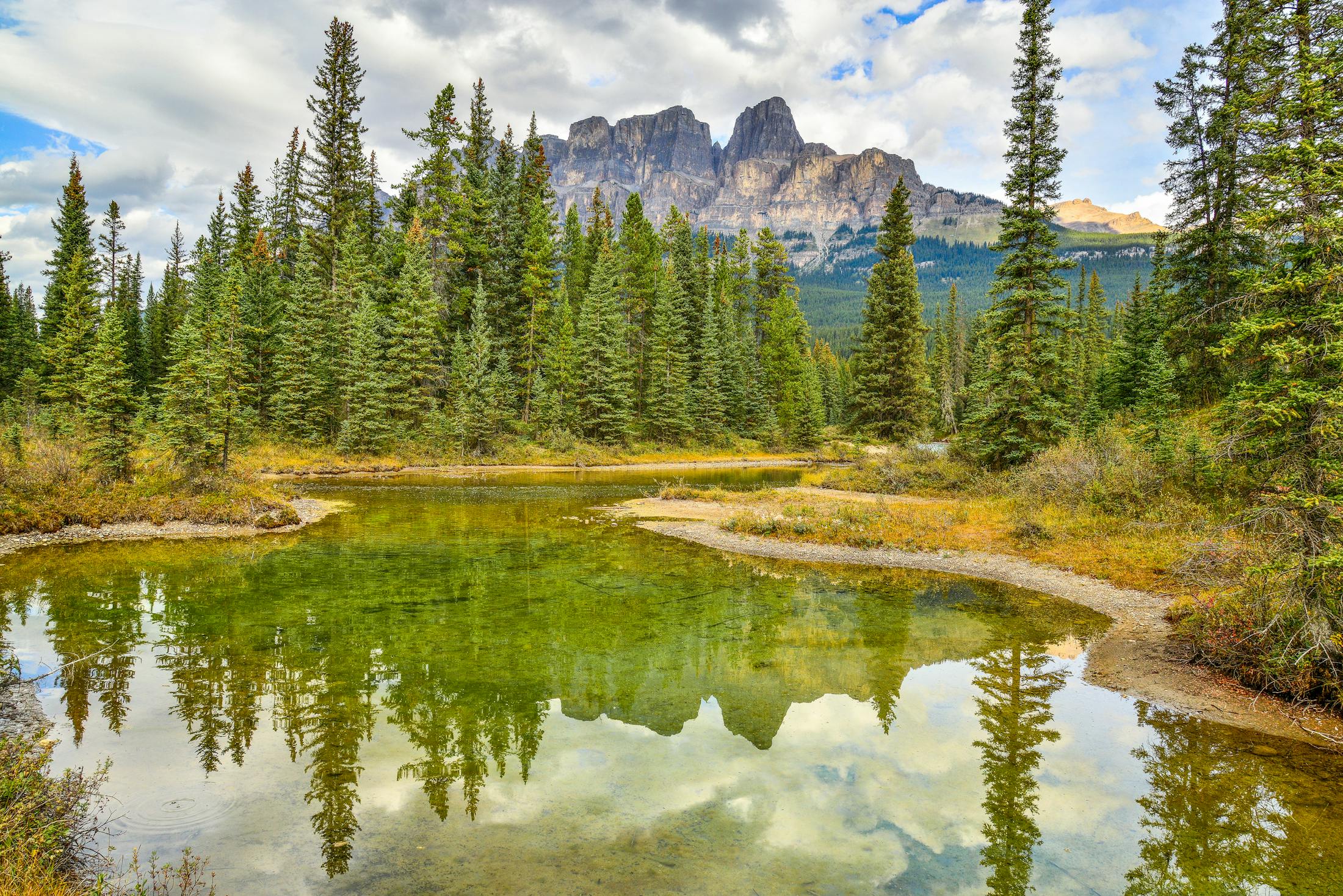
Banff National Park
Banff is the flagship choice because it combines lakes, peaks, wildlife, and the strongest tourism network in the Canadian park system. It opened in 1885 and covers 6,641 sq km. Main access is through the Banff east gate on Highway 1, plus Lake Louise and the Icefields Parkway side. Parking exists across the park, but fills early at Moraine Lake, Lake Louise, and Johnston Canyon. Dogs are allowed on leash, though some ski and wildlife areas restrict them. Parks Canada lists many named trails rather than one total network figure.
Jasper National Park
Jasper is best for travelers who want space, dark skies, and long scenic drives with fewer urban touches than Banff. It was established in 1907 and now spans over 11,000 sq km. The main approaches are Highway 16 and Highway 93 via the Icefields Parkway. Parking is spread across trailheads, lakes, and the townsite, but summer crowding still matters. Dogs are allowed in many areas on leash, though some places ban them. Trail distances vary widely; the Skyline route includes almost 25 km above treeline.
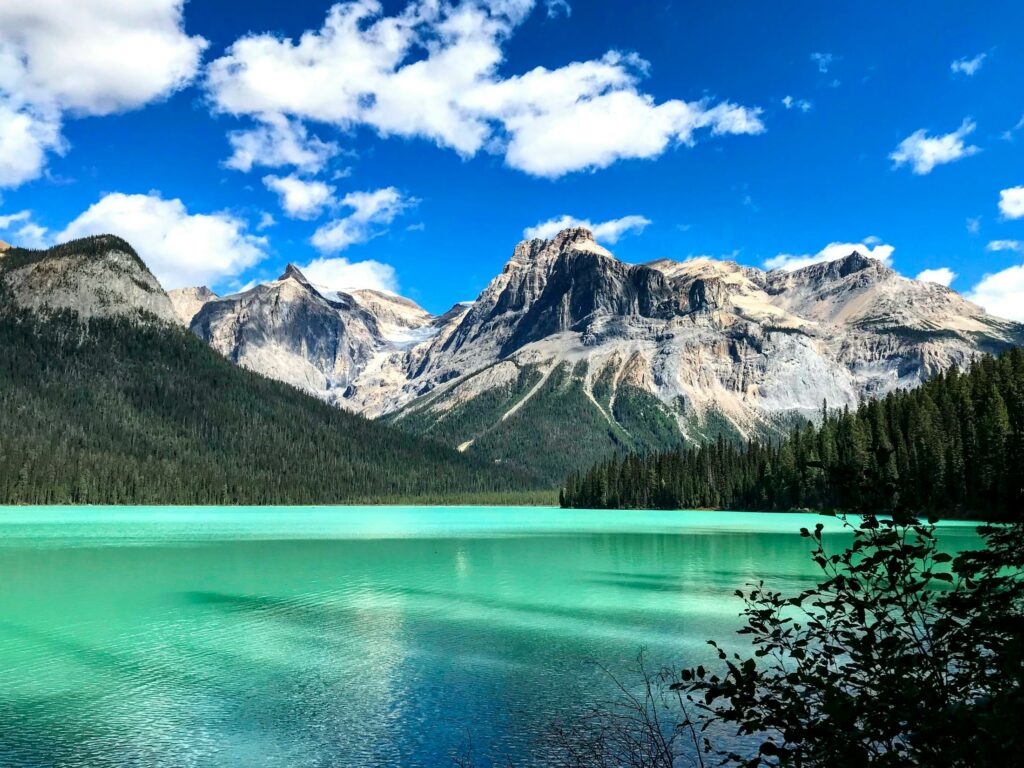
Yoho National Park
Yoho is one of the best parks for a quieter Rockies trip. It opened in 1886 and is known for waterfalls, glacial valleys, and access to the Lake O’Hara area. The main road entrance is along the Trans-Canada Highway near Field, and the visitor centre is at 5764 Trans-Canada Highway, Field, at roughly 51.397804, -116.491901. Parking is limited at top sites and Lake O’Hara access is controlled. Dogs are allowed on leash, but winter trail rules restrict them in some groomed areas. One published day hike reaches 14.5 km one way from Ottertail parking.
Kootenay National Park
Kootenay works well because it mixes mountain views with canyons, hot springs, and a historic highway corridor. It was established on April 21, 1920, and protects 1,406 sq km in southeast British Columbia. The park is mainly entered from two sides of Highway 93 South, near Radium Hot Springs and the Banff side. Parking is available at major trailheads and day-use points, but facilities are more spread out than in Banff. Pets must stay on leash. For hiking scale, Helmet Falls is a published 14.2 km one-way backcountry approach from Paint Pots.
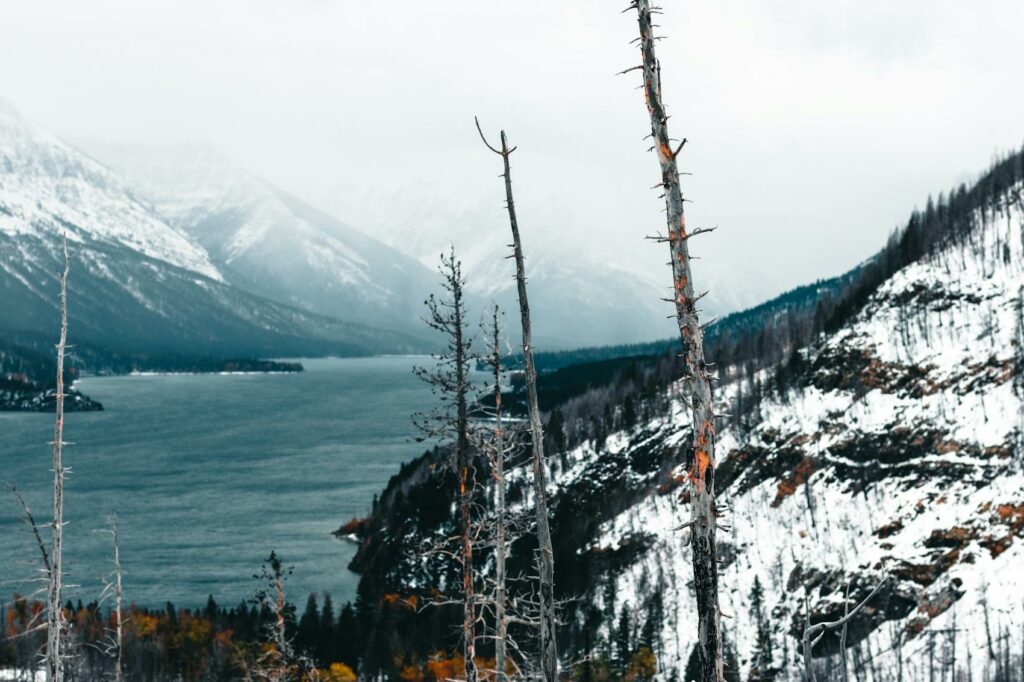
Waterton Lakes National Park
Waterton is strong because it packs lakes, steep slopes, prairie-edge ecology, and quick scenic drives into a compact park. It dates to 1895 and covers about 505 sq km. Most visitors enter through the Waterton townsite, then continue toward Cameron Lake on Akamina Parkway or Red Rock Canyon Road. Parking is available in town and at key trailheads, but it is limited at top stops in peak season. Dogs are allowed under control, though some areas prohibit pets. Published short walks include the 3.2 km Townsite loop and the 3 km Cameron Lakeshore trail.
Pacific Rim National Park Reserve
Pacific Rim stands out because it offers surf beaches, coastal forest, marine scenery, and one of Canada’s best-known backpacking routes. It was established in 1970. Visitor use is split into three main access zones: Long Beach, Broken Group Islands, and the West Coast Trail. Long Beach is easiest by road; West Coast Trail uses trailheads at Pachena Bay, Nitinaht, and Port Renfrew. Parking exists at developed points, but reservations are central for the trail and many overnight trips. The West Coast Trail is highly restricted by conditions and difficulty, with ladders, mud, river crossings, and rough weather.
Elk Island National Park
Elk Island is one of the best short-stay parks in Canada because it gives easy access to bison, wetlands, and dark-sky viewing close to Edmonton. It offers more than 80 km of trails. The main public entrance is the south gate, about 48 km from central Edmonton via Highway 16 East. Parking is simple compared with mountain parks, but visitors must use designated areas and hardened surfaces. Pets are allowed, with normal national park controls. It is especially good for day hiking, paddling, and wildlife watching without long transfer times.
Atlantic Canada
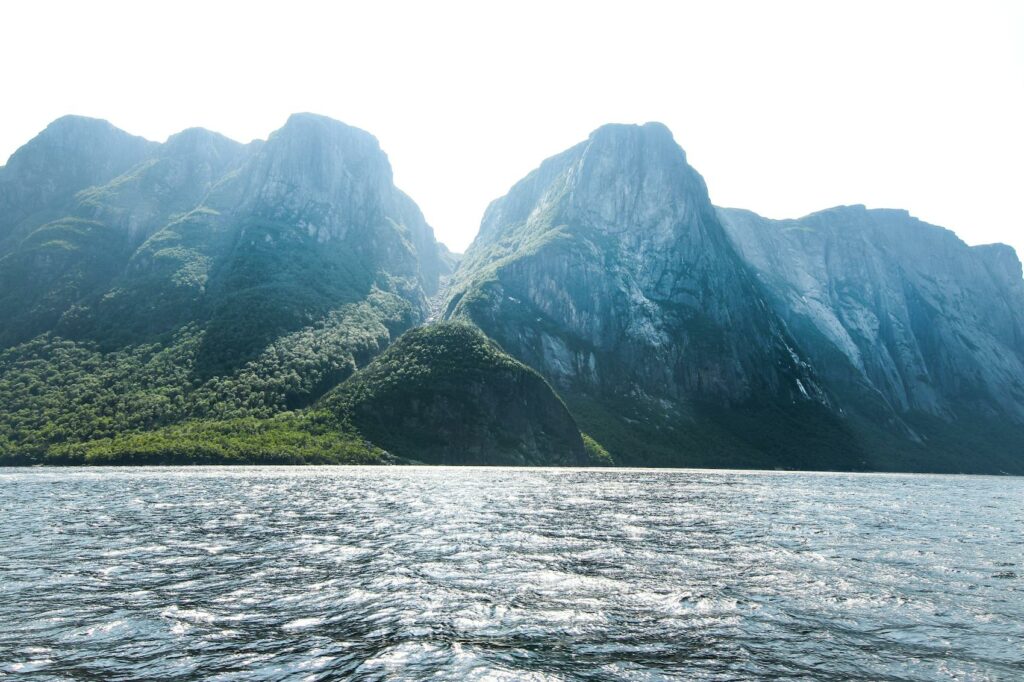
Gros Morne National Park
Gros Morne is one of Canada’s strongest all-round parks because it combines fjords, coastline, mountain hiking, and major geological value. It was established in 1973 and covers 1,805 sq km on Newfoundland’s west coast. Visitors usually access it through Rocky Harbour, Woody Point, Norris Point, or Trout River. Parking is spread across trailheads, boat-tour sites, and interpretation points, so congestion is more local than park-wide. The park has more than 100 km of trails. Some routes have seasonal restrictions; Gros Morne Mountain, for example, closes from May 1 and reopens on June 28 to protect wildlife.
Fundy National Park
Fundy is one of the best eastern parks for practical travel because it pairs coastal scenery with a dense, easy-to-use trail system. It was established in 1948 and covers 207 sq km near Alma, New Brunswick, on Highway 114. The main visitor entry is through the Alma side, with the visitor centre at 8642 Route 114. Parking is available at trailheads, campgrounds, and day-use areas, and is usually easier than in the Rockies. Pets must stay on leash and are banned from some areas. Fundy publishes many short routes, and its backcountry Fundy Circuit is about 50 km.
Terra Nova National Park
Terra Nova is a strong choice for a serious guide because it offers forest, inlets, and easy road access instead of iconic but crowded viewpoints. It is Canada’s most easterly national park and sits directly on the Trans-Canada Highway, which makes entry simple from several developed sectors. Parking is available at campgrounds, trailheads, and coastal day-use sites. Pets are allowed in pet-friendly camping areas such as Newman Sound. Parks Canada promotes the park as a place for hiking and paddling rather than one signature trail count, so it works best as a flexible base for short walks and scenic stops.
Cape Breton Highlands National Park
Cape Breton Highlands is one of the best road-trip parks in Canada because the Cabot Trail gives constant access to sea cliffs, highland plateaus, and short-to-long hikes. The park opened in 1936 and covers about 950 sq km. It has two main road approaches: the western side near Chéticamp and the eastern side near Ingonish. Parking is spread across overlooks and trailheads, but the Skyline Trail now uses paid parking reservations in the main season. The park lists 26 trails. Pets are allowed on leash, but not in equipped tents or oTENTiks.
Prince Edward Island National Park
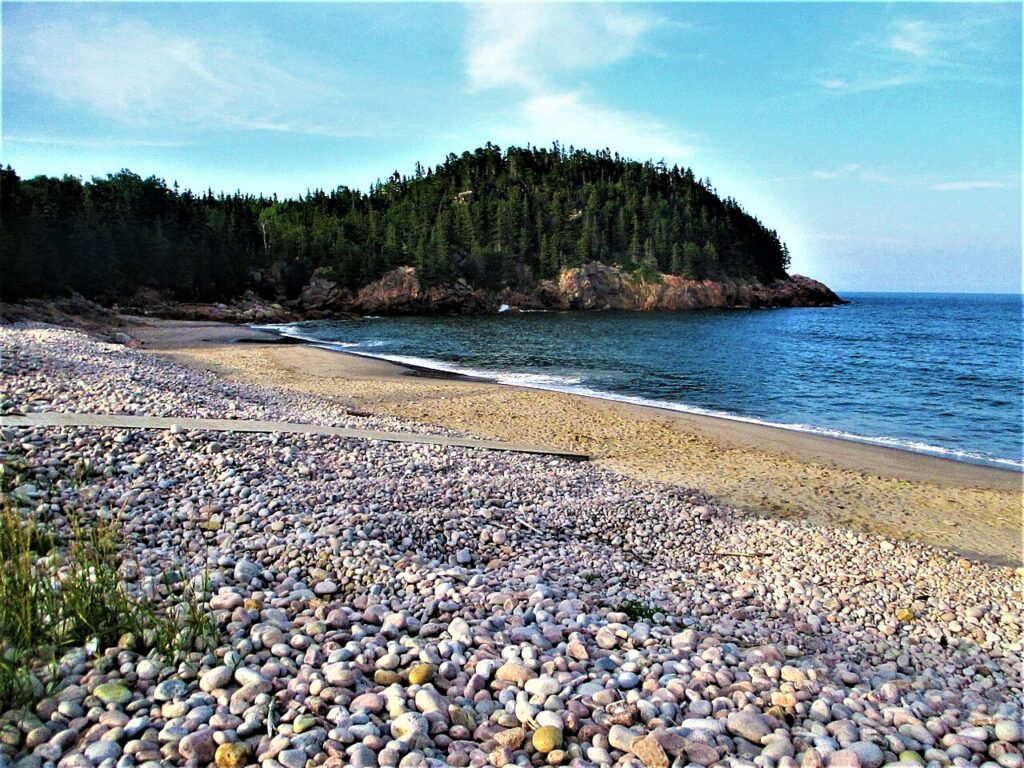
PEI National Park is one of the best coastal parks for travelers who want simple logistics, beaches, dunes, and short scenic trails. It was established in 1937 on the island’s north shore. The park is divided into three separate regions: Cavendish–North Rustico, Brackley–Dalvay, and Greenwich, so there is no single entrance gate. Parking is distributed by beach, trail, and campground access points. A key rule is the annual domestic animal ban that begins on April 1, which matters for visitors with dogs. Trail lengths are modest; Greenwich alone has three hikes from 1.25 to 4.5 km.
Ontario, Quebec, and the Prairies
Bruce Peninsula National Park
Bruce Peninsula is one of the best-known parks in Ontario because it gives dramatic shoreline scenery in a compact area. It was established in 1987 and is reached mainly from Tobermory, with the visitor centre at 120 Chi sin tib dek Road. The major access issue is parking: reservations are required for the Grotto from May 1 to October 31, and also seasonally for Halfway Log Dump and Little Cove. That makes planning essential. The park is especially good for cliff-edge views, short hikes, and Georgian Bay water, but it is not a spontaneous park in summer.
Point Pelee National Park
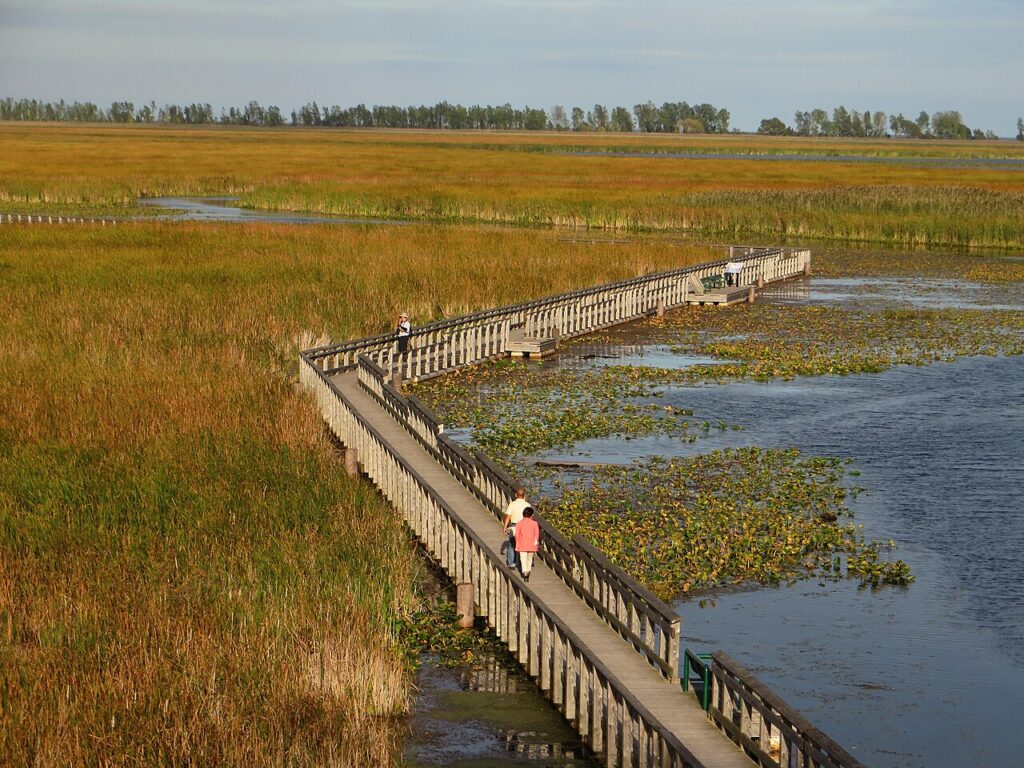
Point Pelee belongs on any serious list because it is small but highly distinctive: marsh, migration routes, paddling, and the southern tip of mainland Canada. It was established in 1918. The park address is 1118 Point Pelee Drive, Leamington, and access is simple by road from Windsor, London, or Toronto. Parking is easier than in larger parks, though internal movement is still managed. The park has over 12 km of hiking, walking, and cycling trails. Pets face tighter rules than elsewhere and are not permitted in the campground.
La Mauricie National Park
La Mauricie is one of the best eastern parks for lake scenery and multi-season access. It became a national park in 1977 and has over 110 km of hiking trails. The park has two main road entrances, Saint-Mathieu and Saint-Jean-des-Piles, and they are far apart, with 64 km between them inside the park. Parking lots are distributed by sector and trailhead, and Parks Canada advises checking status before arrival. Service animals are allowed everywhere; other pet rules vary by activity and site. It is best for hiking, paddling, and long quiet stays rather than famous single landmarks.
Riding Mountain National Park
Riding Mountain is one of Canada’s most underrated parks because it combines forest, lakes, wildlife, and easy prairie access. It gained national park status in 1930 and officially opened in 1933. Visitors reach it mainly by road from Winnipeg or Yorkton, passing through park gateways before continuing to Wasagaming, the main service hub. Parking is spread across beaches, campgrounds, trailheads, and day-use sites, so pressure is usually less intense than in Banff-level parks. It is a strong park for driving, wildlife viewing, and moderate outdoor trips without alpine terrain.
Why these parks stand out
The strongest all-round parks are Banff, Jasper, Gros Morne, Pacific Rim, and Cape Breton Highlands because they combine scenery with enough access and trail structure for a real itinerary. The best parks for lower-pressure travel are Fundy, Terra Nova, La Mauricie, Riding Mountain, and Elk Island. For short trips and easy planning, Bruce Peninsula, Point Pelee, Waterton, and PEI National Park work especially well.