Colombia can feel like several countries packed into one. Within a single trip, you can walk through Caribbean jungle, climb into the high Andes, enter the Amazon rainforest and explore islands in the Pacific. For travellers who want to see the country’s most impressive natural landscapes rather than simply collect as many parks as possible, these are eight of the best places to start.
1. Tayrona National Natural Park
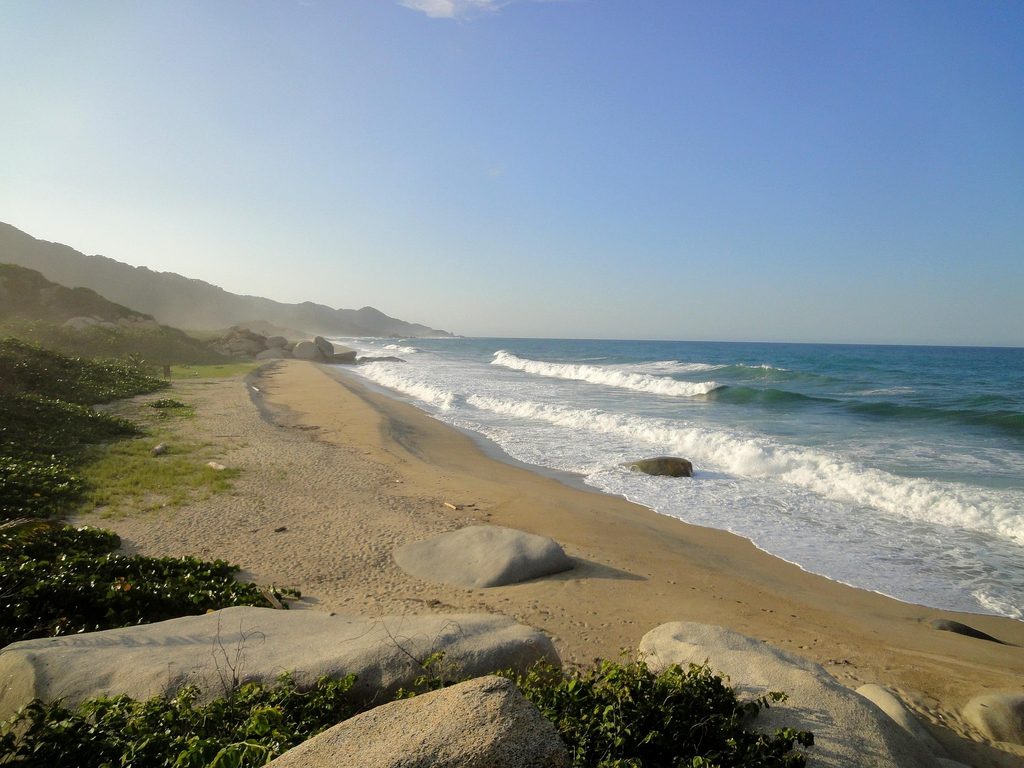
Tayrona National Natural Park is the obvious first choice for travellers who want both jungle and Caribbean beaches. Trails run through tropical forest before emerging at bays such as Cabo San Juan, Cañaveral and Arrecifes, where huge rocks and green hills frame the sea. Some beaches are suitable for swimming or snorkeling, while others have strong currents and should only be enjoyed from the shore. Santa Marta is the usual gateway, with the main park entrance roughly 40–45 minutes away by road.
Tayrona is also part of the ancestral territory connected with the Kogui, Wiwa, Arhuaco and Kankuamo peoples of the Sierra Nevada de Santa Marta. That cultural dimension makes the park more than a tropical beach destination, and visitors should pay attention to local rules and periodic closures intended to give the territory time to recover.
2. Sierra de la Macarena National Natural Park
The star attraction of Sierra de la Macarena is Caño Cristales, the famous river whose bed develops intense red, green, yellow and other tones during the right part of the year. Much of the colour comes from Macarenia clavigera, an aquatic plant that changes the appearance of the river when water and sunlight conditions are suitable. The landscape around it is equally interesting because the Andes, Amazon and Orinoco regions meet in this part of Colombia.
Most travellers fly to the small town of La Macarena and continue by boat, vehicle and on foot. The colourful season is generally associated with the wetter months, with particularly good conditions often occurring in the second half of the year. This is a protected and sensitive ecosystem, so visits follow controlled routes rather than unrestricted exploration.
3. Los Nevados National Natural Park
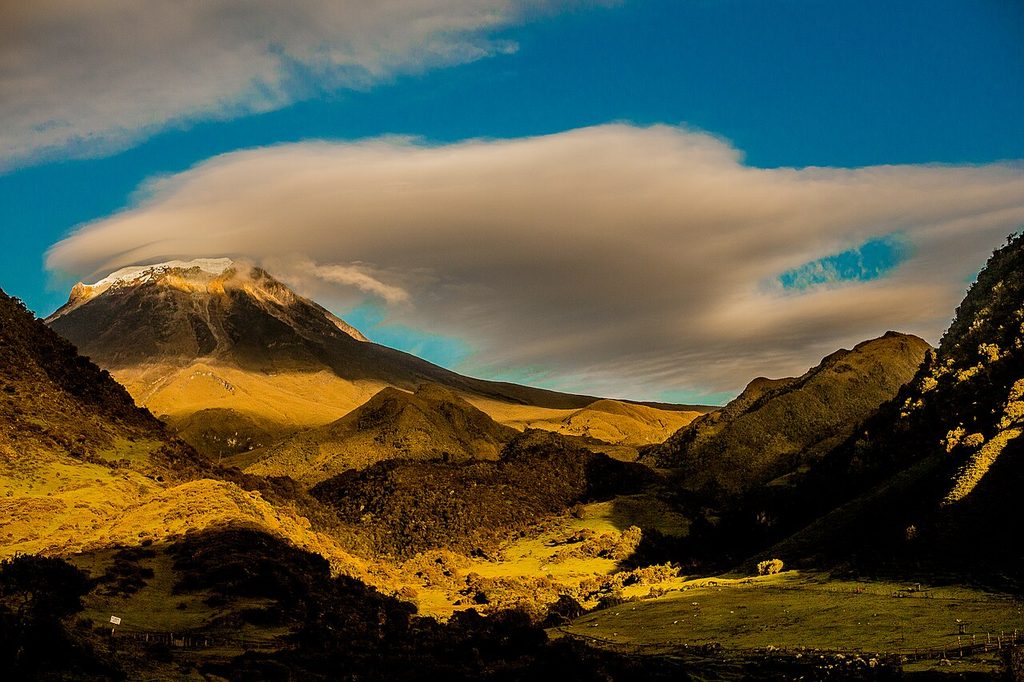
Los Nevados National Natural Park shows a completely different Colombia: cold high mountains, volcanoes, páramo vegetation and landscapes above 4,000 metres. The protected area includes Nevado del Ruiz, Nevado del Tolima and Santa Isabel, while lower sections contain forests and the distinctive frailejones of the Andean páramo. Laguna del Otún and the high mountain routes are especially beautiful when weather conditions are clear.
The park lies across Caldas, Risaralda, Quindío and Tolima, so it fits naturally into a trip through Colombia’s Coffee Region. Access conditions can change because of weather, volcanic activity and conservation measures, which makes it important to check the current situation before travelling. Manizales, Pereira and towns in the coffee region are useful starting points.
4. El Cocuy National Natural Park
For the most dramatic high-altitude scenery, El Cocuy National Natural Park deserves a place near the top of the list. It protects Colombia’s largest remaining glacier area, with white peaks rising above páramo, high valleys, lakes and enormous rock formations. Visitors can currently use designated trails such as Ritacuba, Laguna Grande de la Sierra and the route towards Púlpito del Diablo, but walking directly on the glaciers is not permitted.
Getting there requires more effort than visiting Tayrona or the parks near Cartagena. The towns of El Cocuy and Güicán are the main bases, and the journey from Bogotá passes through Boyacá before continuing on slower mountain roads. Reservations, an authorised guide and accident-and-rescue insurance are among the requirements listed by Colombia’s national park authority, so this is a destination to plan in advance rather than visit spontaneously.
Driving to Colombia’s National Parks and Using an IDP
Renting a car can make parts of a Colombian nature trip much easier, particularly around the Coffee Region, Boyacá and the Caribbean coast. Under Colombian law, tourists can use a valid foreign driver’s license during their authorised stay, with the Ministry of Transport stating that this recognition applies for the authorised period and in any case not beyond six months. An International Driving Permit does not replace your American license, but it can provide a multilingual version of your driving information and may also be useful when dealing with individual rental companies.
5. Gorgona National Natural Park
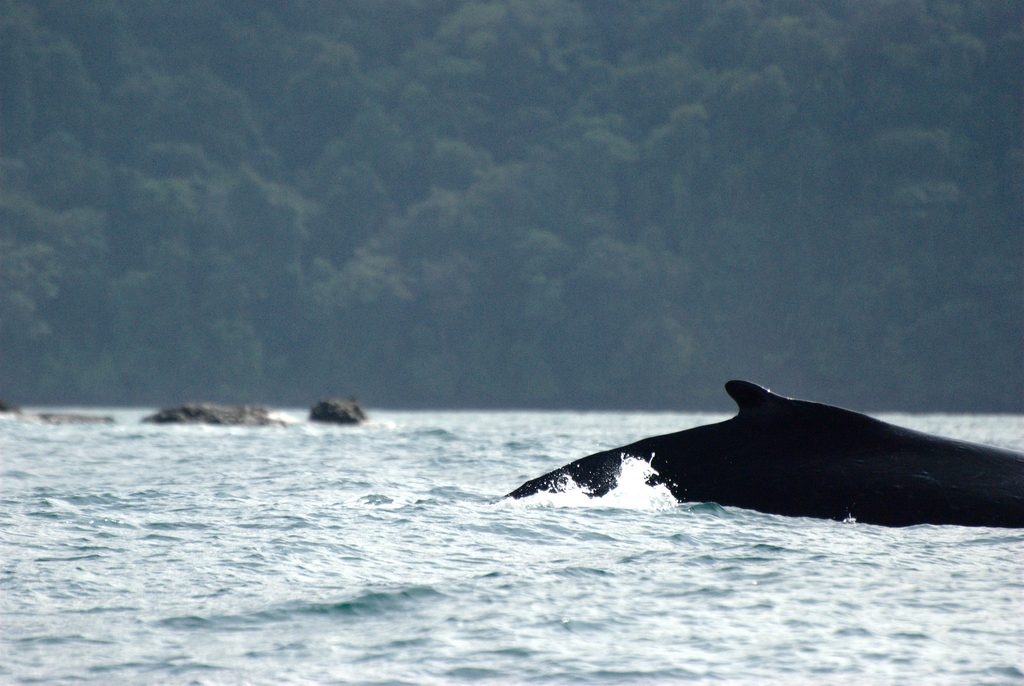
Far out on Colombia’s Pacific coast, Gorgona National Natural Park feels more like an expedition than an ordinary day trip. Tropical rainforest covers most of the island, while the surrounding protected waters contain coral communities, sharks, sea turtles and an extraordinary variety of fish. Between roughly July and October, humpback whales can also be seen around Gorgona during their migration.
The island has an unexpected human story too: it operated as a maximum-security prison before becoming a national park in 1984, and the old structures are now being slowly reclaimed by vegetation. Gorgona’s mixture of rainforest and marine habitats has long attracted scientific attention, with UNESCO documentation highlighting its rich coral, fish, mollusc and marine-mammal diversity.
6. Amacayacu National Natural Park
Amacayacu National Natural Park is the strongest choice on this list for travellers whose main goal is the Amazon. The park protects around 267,000 hectares of tropical rainforest, flooded forest, wetlands and river systems, with wildlife that includes monkeys, pink river dolphins and hundreds of bird species. Much of the experience revolves around travelling by boat, walking through the forest and learning how the ecosystem changes with water levels.
There are no road trips through this landscape. Visitors normally reach Leticia by air and then travel along the Amazon River towards communities such as Mocagua or San Martín de Amacayacu. Tourism in the park is closely connected with Indigenous communities, and the current visitor rules require guides or local interpreters for activities inside the protected area.
7. Utría National Natural Park
Utría National Natural Park is one of the best places to experience the wild Colombian Pacific. Dense Chocó rainforest reaches almost to the ocean, with mangroves, beaches, coral areas and the sheltered waters of the Ensenada de Utría creating an unusually varied landscape. The bay is also used by migrating humpback whales, while turtles and numerous marine species depend on the surrounding ecosystems.
Reaching Utría is part of the adventure. Most visitors first fly to Bahía Solano or Nuquí and then continue by local road and boat, while some routes include several hours of hiking through humid forest. This isolation keeps the experience far removed from Colombia’s busier Caribbean destinations.
8. Corales del Rosario and San Bernardo National Natural Park
Just off the Caribbean coast lies Corales del Rosario and San Bernardo National Natural Park, a mostly marine protected area of reefs, seagrass beds, mangroves and tropical islands. It protects the largest coral platform in Colombia’s continental Caribbean, making snorkeling and diving the main reasons to visit. Warm water and relatively easy access also make it one of the most convenient national parks for travellers who do not want a difficult expedition.
The Rosario Islands are reached most easily by boat from Cartagena, so the park fits naturally into a visit to the historic city. The San Bernardo islands lie farther south and work better for travellers who want to stay overnight and enjoy a slower island atmosphere. In both areas, choosing responsible boat and diving operators matters because reefs and seagrass habitats are highly sensitive to heavy tourism.
Which Colombian National Park Is Best for Your Trip?
If you have time for only one park, Tayrona offers the easiest combination of spectacular scenery and relatively simple access. Choose Sierra de la Macarena for Caño Cristales, El Cocuy or Los Nevados for mountains, and Amacayacu if seeing the Amazon is the main purpose of your trip. Gorgona and Utría are better for travellers willing to spend more time reaching remote Pacific landscapes, while Corales del Rosario is the easiest option to combine with a conventional Caribbean holiday.
Colombia’s great advantage is that these parks do not feel like variations of the same landscape. A well-planned trip can begin beside Caribbean coral reefs, continue through the Andes and finish deep in the Amazon — all without leaving the country.