Poland has 23 national parks, covering everything from the Baltic coast and ancient forests to wetlands and high mountain peaks. Some are perfect for serious hiking, while others are easy to visit on a day trip from Warsaw, Kraków or Wrocław. If you are planning a nature-focused road trip through Poland, these are the national parks most worth putting on your route.
1. Tatra National Park
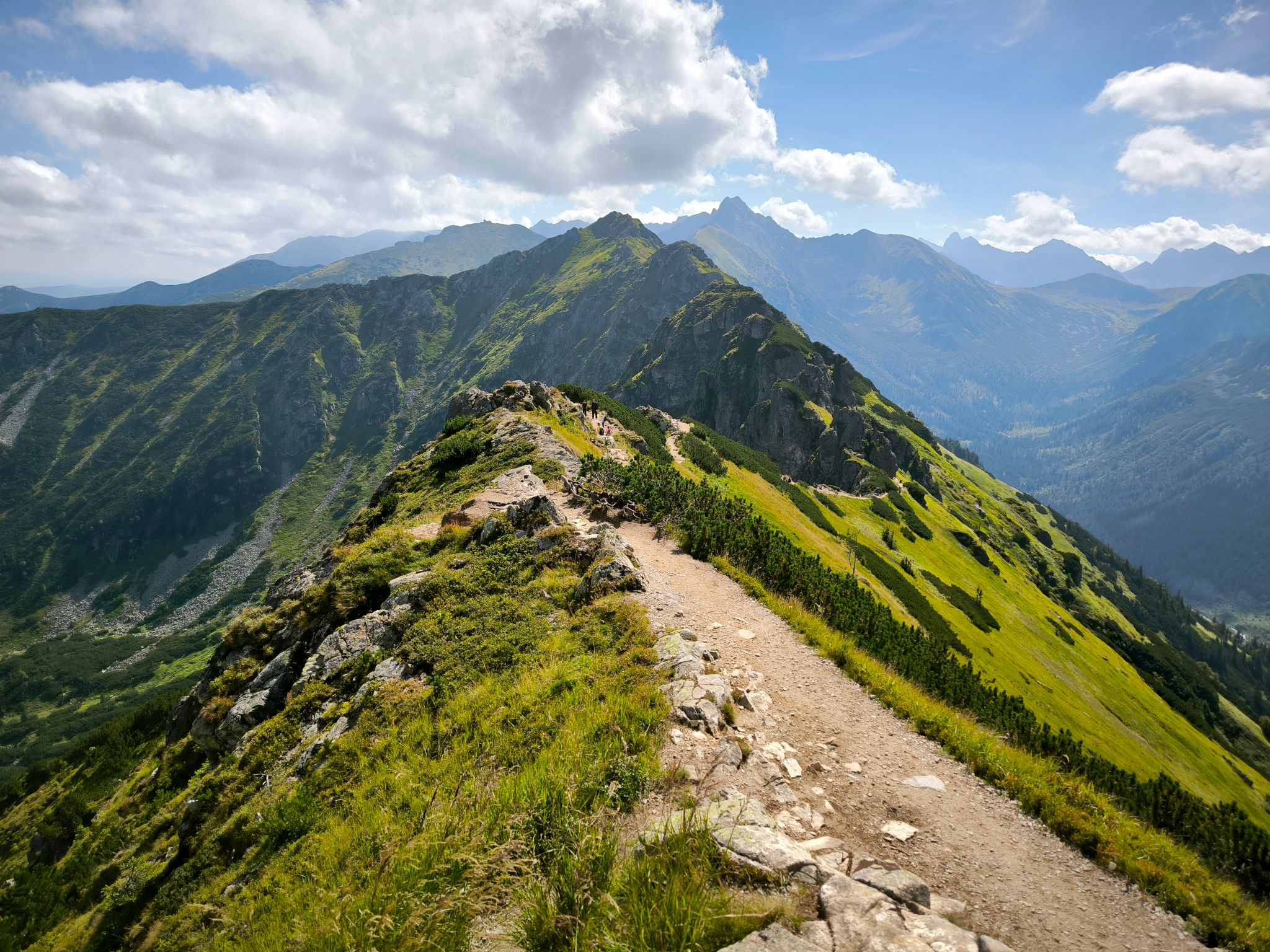
Tatra National Park is the best choice if you want dramatic mountain scenery. It protects the Polish side of the Tatra Mountains, including Rysy, Poland’s highest peak at 2,499 metres, as well as alpine lakes, rocky ridges, caves and deep valleys. Morskie Oko is the best-known lake and can be reached without technical mountain experience, while more difficult trails lead high into the mountains. Zakopane is the usual base for exploring the park.
Summer and early autumn are the most popular seasons for hiking, while winter completely changes the landscape. The Tatras are beautiful, but they are also real mountains, so weather conditions can change quickly and suitable footwear is important.
2. Białowieża National Park
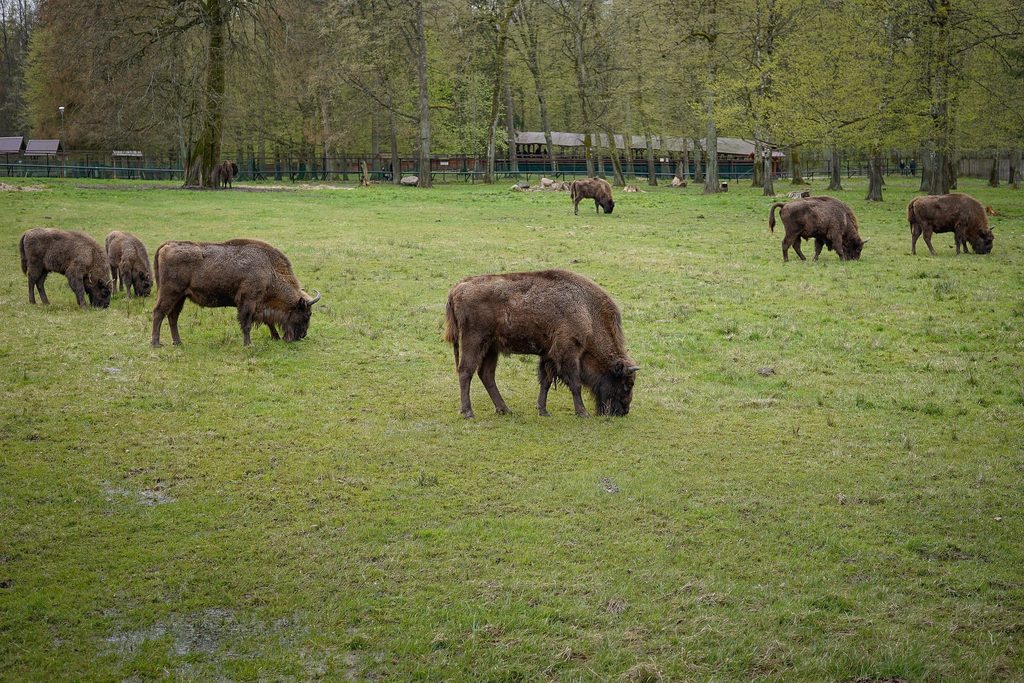
Białowieża National Park protects part of one of Europe’s last great primeval lowland forests. Huge old trees, fallen trunks and dense woodland create a landscape very different from the managed forests found across much of Europe. The area is also famous for the European bison, with the Białowieża Forest supporting the world’s largest wild population.
Some of the most strictly protected areas can only be entered with an authorised guide, while other parts of the forest have walking and cycling trails that visitors can explore independently. The village of Białowieża is the most convenient place to stay and makes a good base for wildlife tours.
3. Słowiński National Park
You might not expect to find something resembling a desert beside the Baltic Sea, but that is exactly what makes Słowiński National Park special. Its most famous attraction is a belt of enormous moving sand dunes that slowly change position under the influence of the wind. Beyond the dunes, the park contains beaches, coastal lakes, peat bogs, forests and important habitats for birds.
The seaside town of Łeba is the most convenient starting point for visiting the dunes. A trip here works especially well in summer because you can combine walking in the national park with a few hours on the Baltic beach.
4. Bieszczady National Park
For a quieter mountain experience, head to Bieszczady National Park in Poland’s far southeast. The landscape is famous for its połoniny — long, open mountain meadows stretching across rounded ridges above thick beech forests. Bears, wolves, lynx, European bison and red deer all live in the wider region, making this one of Poland’s wildest areas.
The Bieszczady Mountains feel much more remote than the Tatras, and that is a large part of their appeal. Autumn is particularly beautiful, when the beech forests turn yellow, orange and red and the open ridges offer long views across the Carpathians.
Driving to Poland’s National Parks: A Note for Americans
Many of Poland’s best national parks are easier to explore by car, especially Bieszczady, Białowieża, Słowiński and the mountain parks near the Czech and Slovak borders. American visitors planning to rent and drive a car in Poland should travel with their valid U.S. driver’s license and an International Driving Permit (IDP), and they should also check the document requirements of their chosen rental company before arrival. An IDP does not replace the original driver’s license; under Polish law, an international permit is used together with the national license.
5. Pieniny National Park
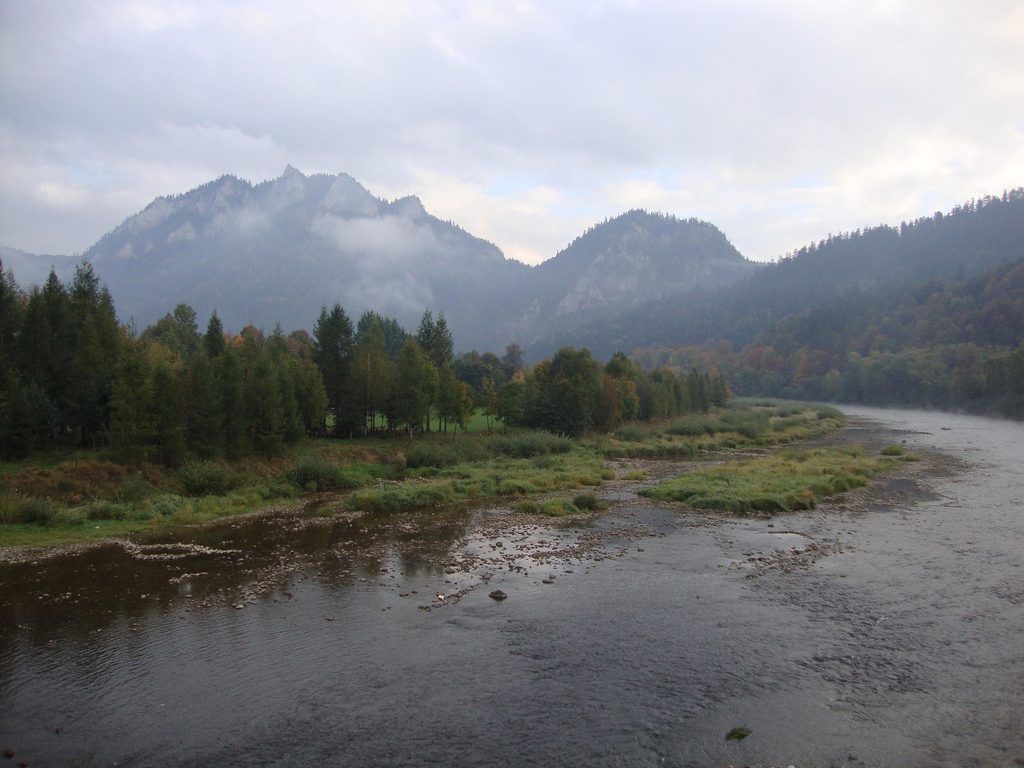
Pieniny National Park is smaller than the Tatras but offers some of the most memorable landscapes in southern Poland. Its best-known experience is a trip through the Dunajec River Gorge, where the river passes below steep limestone cliffs and forested peaks. Traditional wooden raft trips are especially popular, while kayaks offer a more active way to experience the gorge.
Hikers should consider the trail to Trzy Korony, one of the park’s classic viewpoints. Pieniny is also easy to combine with the spa town of Szczawnica or nearby castles, making it a good choice for travellers who want more than hiking alone.
6. Karkonosze National Park
Located in southwestern Poland along the Czech border, Karkonosze National Park protects the highest part of the Sudetes. The landscape includes rocky peaks, waterfalls, mountain plateaus, glacial formations and alpine vegetation. Śnieżka is the best-known summit and one of the most recognisable mountains in this part of Central Europe.
Karpacz and Szklarska Poręba are the main tourist bases on the Polish side. The park is particularly convenient if you are travelling from Wrocław and want to combine mountain hiking with castles, spa towns and other attractions in Lower Silesia.
7. Stołowe Mountains National Park
Stołowe Mountains National Park, or Góry Stołowe, looks unlike almost any other mountain park in Poland. Instead of sharp alpine peaks, it is famous for strange sandstone formations, narrow passages and natural rock labyrinths. Szczeliniec Wielki is the highest point at 919 metres, while Błędne Skały is a maze of narrow corridors between enormous blocks of rock.
The trails are entertaining even for visitors who are not serious hikers, which makes the park a good family destination. Nearby Kudowa-Zdrój, Duszniki-Zdrój and Polanica-Zdrój are traditional spa towns where you can stay while exploring the region.
8. Ojców National Park
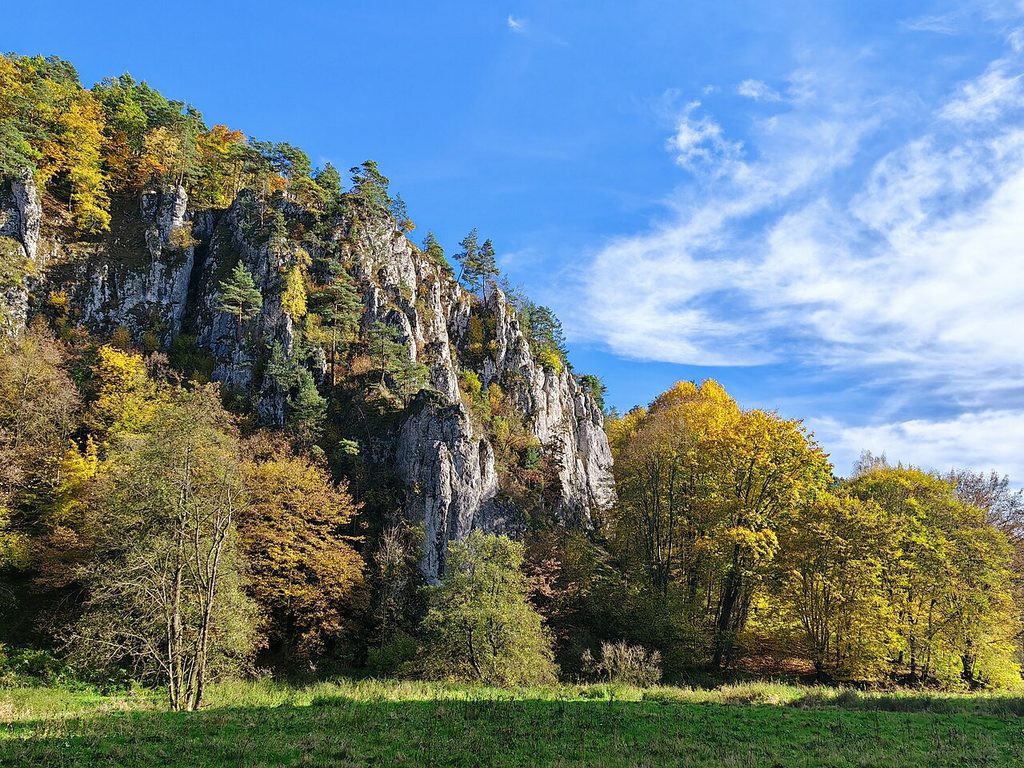
Just north of Kraków, Ojców National Park is one of the easiest national parks to add to a city break. Although it is Poland’s smallest national park, it contains limestone cliffs, deep valleys, unusual rock formations and hundreds of caves. The famous Maczuga Herkulesa, or Hercules’ Club, is a tall limestone pillar standing close to Pieskowa Skała Castle.
Ojców is a good choice if you want an easy day of walking rather than a demanding mountain expedition. Its combination of forests, caves, castles and unusual geology means there is a lot to see within a relatively compact area.
9. Biebrza National Park
Biebrza National Park is the largest national park in Poland and one of the country’s best destinations for birdwatching. It protects a huge landscape of peat bogs, marshes and floodplains along the Biebrza River. During spring floods, thousands of migratory birds gather here, and viewing platforms provide excellent places to observe them.
The wetlands are also an important refuge for elk, beavers, otters and wolves. This is not a park of dramatic peaks or famous monuments; its beauty comes from open landscapes, silence and the feeling of being surrounded by genuinely wild nature.
10. Wigry National Park
If you prefer lakes and forests, Wigry National Park in northeastern Poland is one of the best choices. The park contains Lake Wigry, smaller forest lakes, peat bogs and large areas of pine and spruce woodland. It is home to beavers, elk, deer and wolves, while its waterways support many species of fish and birds.
Kayaking is one of the most enjoyable ways to explore the area, especially around Lake Wigry and the Czarna Hańcza River. There are also designated cycling and hiking routes, so it is easy to spend several active days here rather than treating the park as a quick stop.
11. Wolin National Park
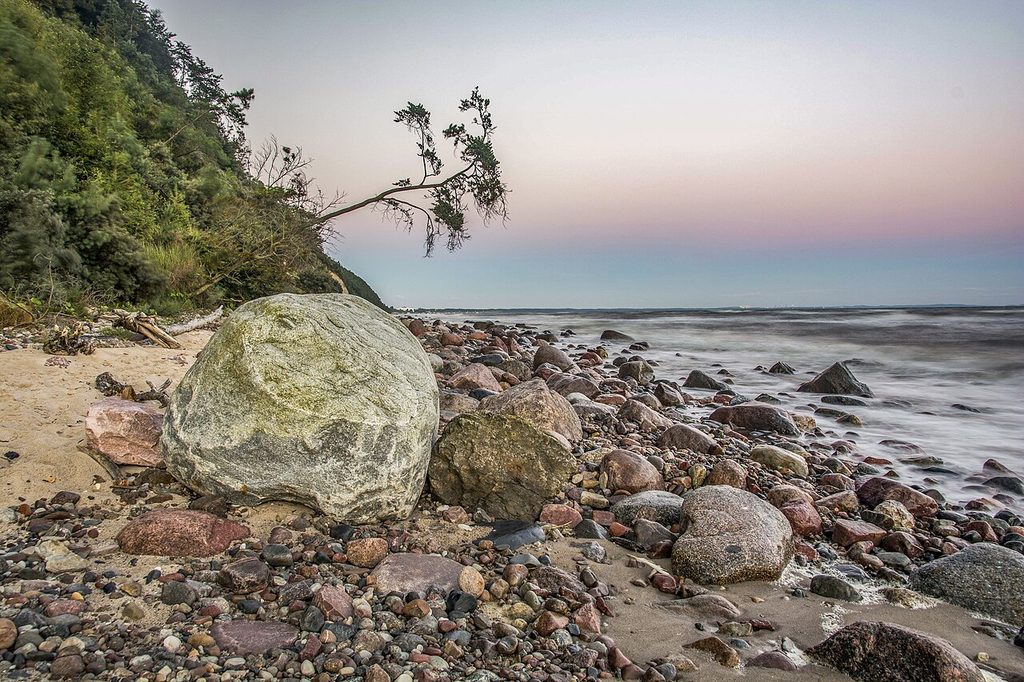
Wolin National Park combines forests, Baltic beaches and some of the most impressive sea cliffs on the Polish coast. It occupies part of Wolin Island near the popular seaside resort of Międzyzdroje and protects both coastal landscapes and the unusual delta of the Świna River. White-tailed eagles live in the area, and the bird is used as the park’s symbol.
The park has around 50 kilometres of walking and educational trails, several viewpoints and a European bison display enclosure near Międzyzdroje. It is an excellent choice if you want to combine a beach holiday with short hikes rather than spend every day lying beside the sea.
12. Kampinos National Park
Few European capitals have a major national park as close as Warsaw has Kampinos National Park. Just outside the city, the landscape changes into pine forests, inland sand dunes, wetlands, peat bogs and meadows. Elk are the symbol of the park, and beavers and lynx also live within the protected area.
Kampinos is ideal if you have only one free day in Warsaw but still want to experience Polish nature. Its proximity to the capital makes it accessible without planning a separate multi-day trip, while the large trail network allows visitors to choose anything from an easy walk to a long cycling or hiking route.
13. Babia Góra National Park
Babia Góra National Park lies in southern Poland close to the Slovak border. Its forests have a surprisingly wild character, with beech and fir dominating the lower slopes and spruce, mountain ash and dwarf pine appearing higher up. The park is part of a UNESCO Biosphere Reserve and protects a clear sequence of mountain vegetation zones.
The main goal for many hikers is the summit of Babia Góra, also known as Diablak. The mountain is famous for broad views but also for rapidly changing weather, so even a sunny morning should not be treated as a guarantee of good conditions at the top.
Which National Park in Poland Should You Choose?
For your first visit, Tatra National Park offers the most spectacular mountain scenery, while Białowieża is the best place for ancient forest and European bison. Choose Słowiński or Wolin if you want to combine nature with the Baltic Sea, and Bieszczady if solitude and long mountain walks matter more than famous attractions. For birdwatching, Biebrza is difficult to beat, while Ojców and Kampinos are the easiest options to add to trips based in Kraków and Warsaw.
The best solution, however, is a road trip connecting several completely different landscapes. Poland is compact enough that within one journey you can walk beside Baltic dunes, enter a primeval forest, paddle across quiet lakes and finish among the highest peaks of the Carpathians.